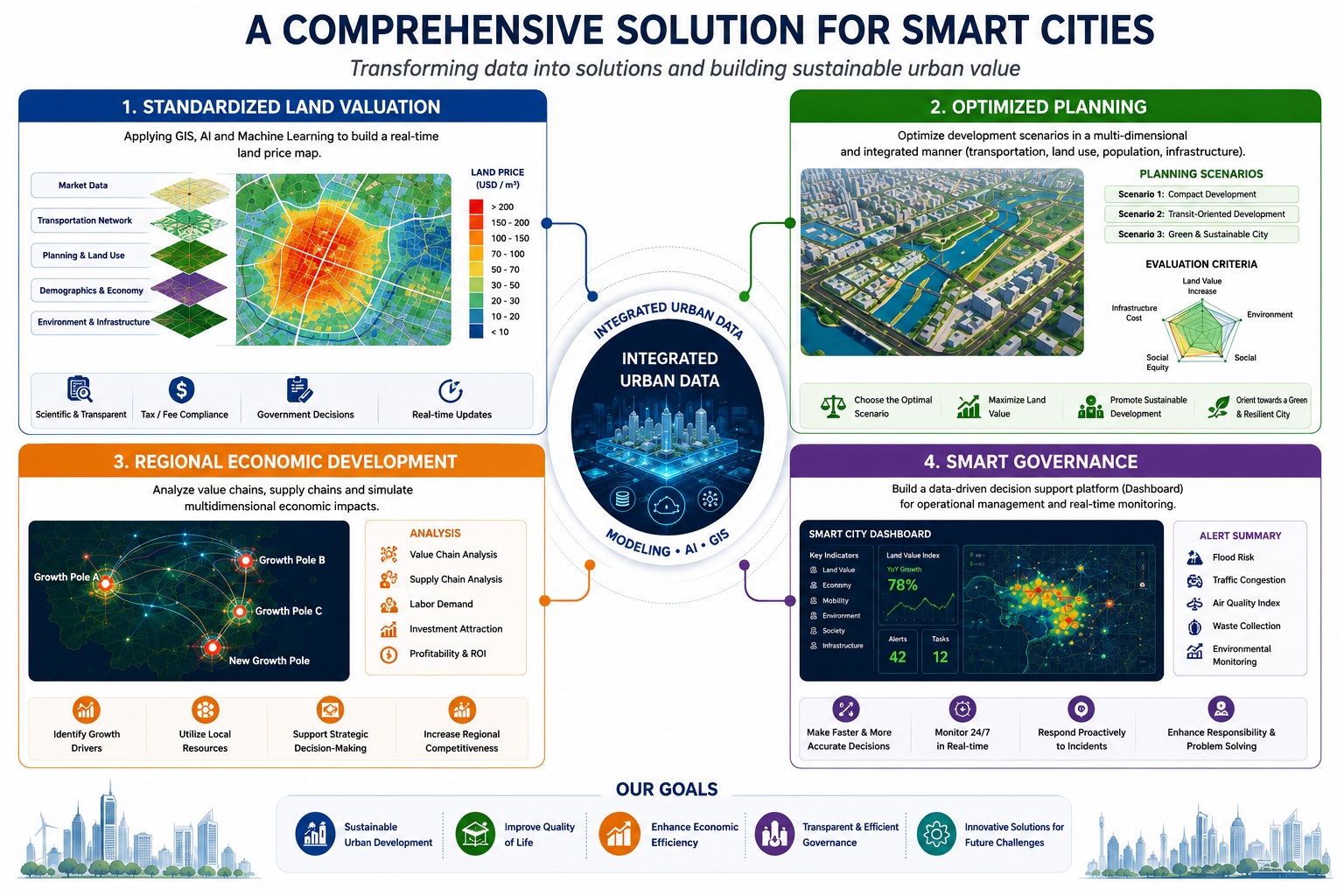
 Figure 2. An integrated solution framework supporting urban management, planning, and smart city development.
Figure 2. An integrated solution framework supporting urban management, planning, and smart city development.
Figure 2. An integrated solution framework supporting urban management, planning, and smart city development.
| Pillar | Implementation Approach | Strategic Objective |
|---|---|---|
| Digital Land Valuation | Applying GIS, AI, and Machine Learning to develop dynamic land value maps. | Enhancing market transparency and improving land administration efficiency. |
| Planning Optimization | Simulating alternative spatial development scenarios across multiple sectors. | Selecting development strategies that maximize economic and social benefits. |
| Regional Economic Development | Analyzing economic flows and regional growth drivers. | Supporting the emergence of new growth poles and reducing fragmented investment. |
| Smart Governance | Developing data-driven decision-support platforms. | Improving resilience against flooding, congestion, and climate change. |
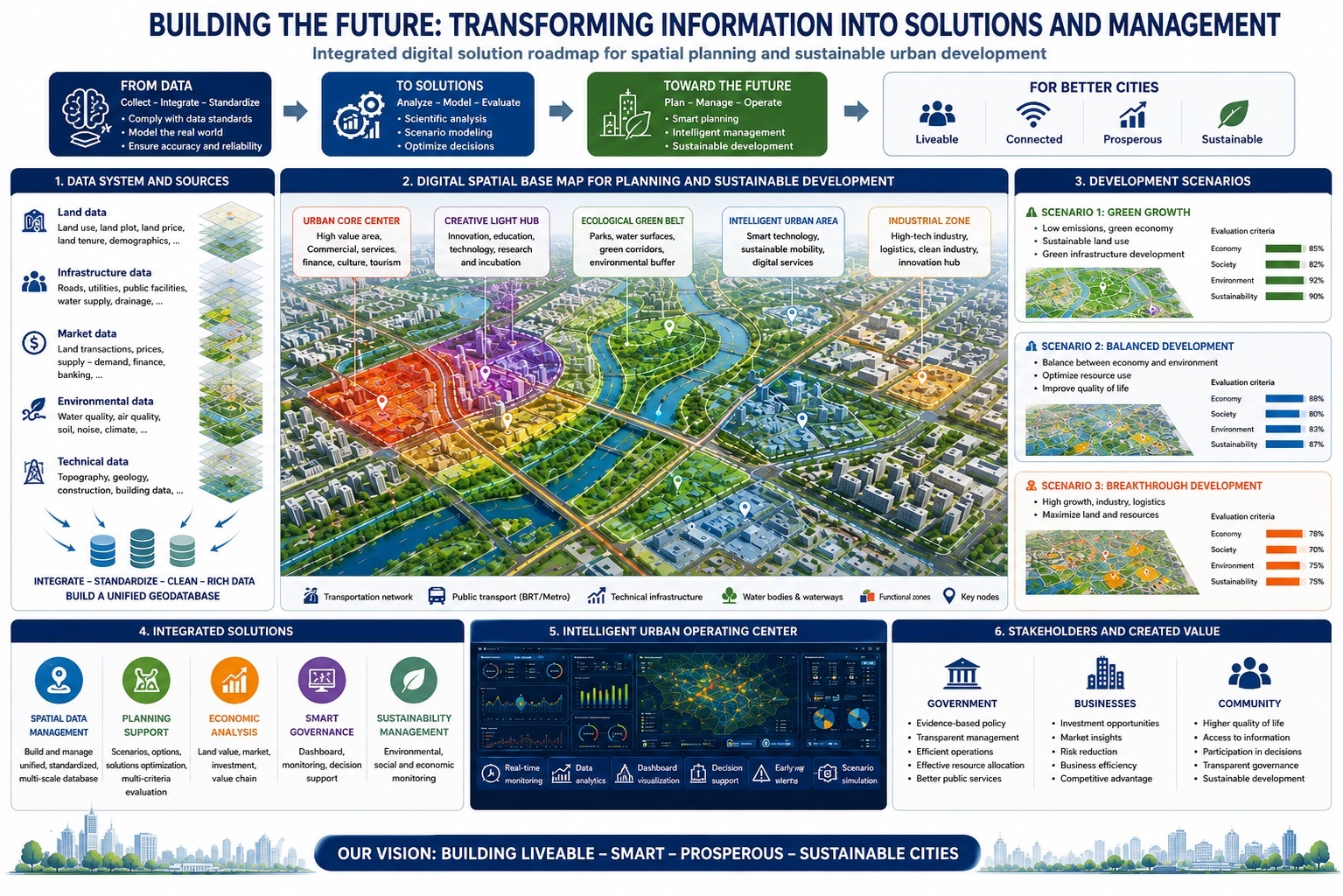 Figure 3. Digital planning solutions and integrated spatial development scenarios for sustainable urban futures.
These strategic solutions extend beyond research reports. They are designed as an integrated ecosystem of decision-support tools serving multiple stakeholders involved in urban development.
For Government Authorities: Providing scientific evidence for policy formulation, project approval, and proactive urban development management.
For Businesses: Supporting the identification of spatial development trends, optimizing investment allocation, and reducing market risks.
For Communities: Expanding access to transparent information and strengthening public participation in urban development processes.
Transforming knowledge into action is the foundation of UVRC's mission. Beyond research and analysis, UVRC seeks to collaborate with governments, businesses, and communities in building cities that are more livable, intelligent, resilient, and sustainable for future generations.
← Back to Home